
The Comprehensive Sri Lankan EV Guide: Mastering Battery Tech, Charging, and Ownership
Give me parapgh way clearly
The shift to electric vehicles (EVs) changes how we think about fueling and maintaining cars. Instead of a traditional engine, EVs use an electric motor powered by a battery. There are two main types: Battery Electric Vehicles (BEVs), which run entirely on electricity and offer smooth, quiet performance with fewer moving parts, and Plug-in Hybrid Electric Vehicles (PHEVs), which combine a battery with a fuel engine, allowing short electric-only trips before switching to fuel.
The battery is the most important part of an EV, and most modern vehicles use lithium-ion technology. Two common types are LFP (Lithium Iron Phosphate), which is durable and safer for frequent full charging, and NMC (Nickel Manganese Cobalt), which provides better range and performance but requires more careful charging habits. Newer EVs are also adopting advanced 800-volt systems, which improve efficiency and enable ultra-fast charging, adding significant driving range in just a few minutes.
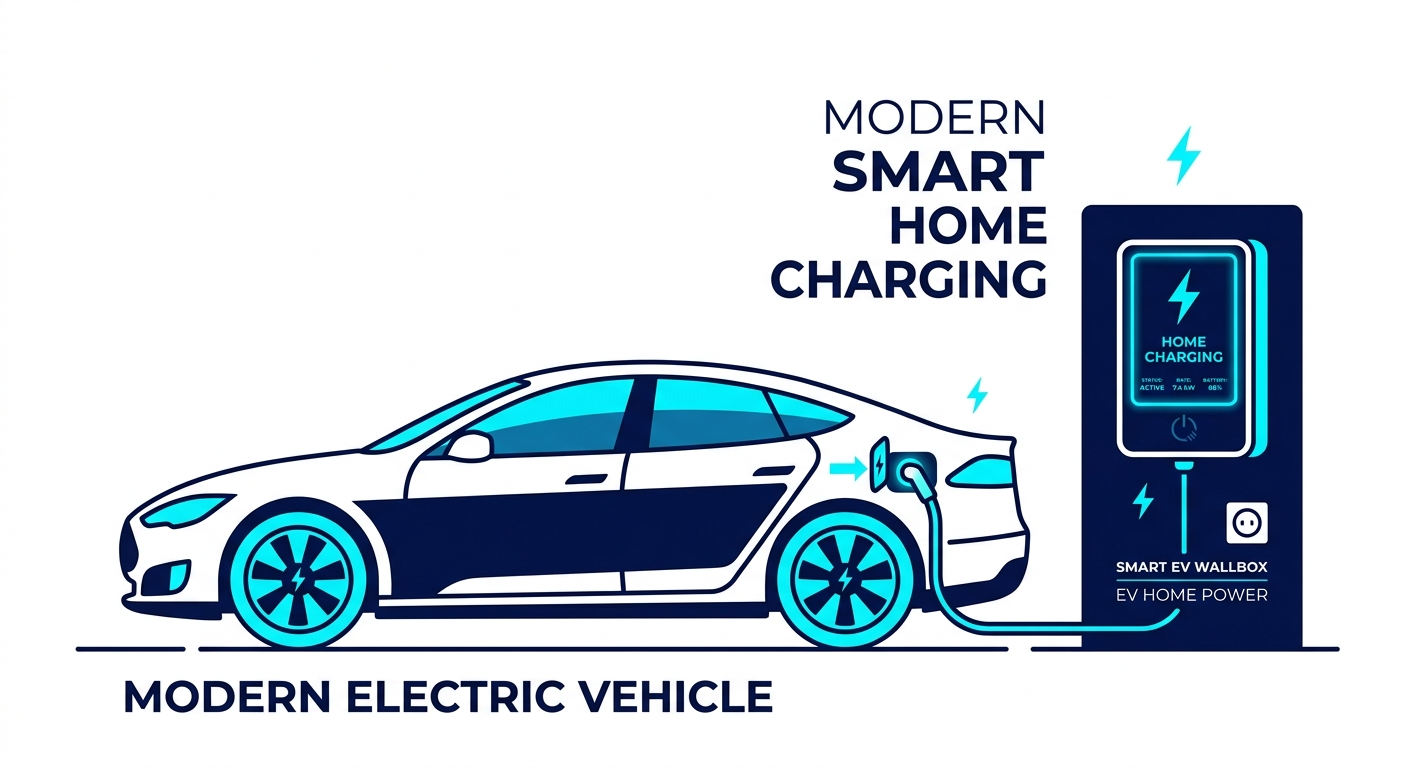
In Sri Lanka, EV charging infrastructure is steadily growing. Home charging using AC power (Level 1 or Level 2) is the most common method, typically allowing a full charge overnight with a wall-mounted charger. For faster charging, public DC fast chargers (Level 3) can recharge a battery from around 10% to 80% in about 30 to 45 minutes. The most widely used fast-charging standard in the country is CCS2, although some older vehicles may still use CHAdeMO connectors.
When buying an EV, it is important to look beyond the price. Buyers should consider the usable (net) battery capacity to understand real-world range, ensure the vehicle has proper thermal management (preferably liquid cooling for hot climates), and check ground clearance to suit local road conditions, since the battery is located at the bottom of the vehicle.
Although EVs require less maintenance than traditional cars, they still need proper care. Regenerative braking helps recharge the battery while driving and reduces brake wear. However, EVs are heavier and deliver instant power, which can cause faster tire wear, so regular tire rotation is important. To maintain battery health, it is generally recommended to keep the charge between 20% and 80%, except for LFP batteries, which can handle full charging more comfortably.